In today’s fast-paced world, encouraging children to adopt healthy habits is more critical than ever. With the rise of technology, children are spending more time seated, making it essential to support their physical development with the right kind of seating. Active seating for kids is emerging as a revolutionary approach to promote movement, improve posture, and enhance concentration. This article delves into the benefits of active seating, offering insights into how it can foster healthier habits in children.
Understanding Active Seating
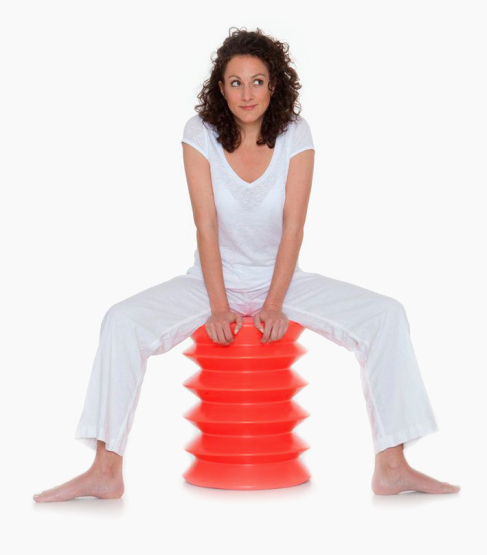
Active seating refers to furniture that allows and encourages movement while sitting. Unlike traditional static chairs, active seating solutions are designed to engage the core muscles and facilitate movement, helping children stay active even while seated. This approach aligns with modern educational and health philosophies that emphasize the importance of physical activity for cognitive and physical development. Find out more about this approach.
Benefits of Active Seating for Kids
Promotes Better Posture
Active seating encourages children to sit upright and align their spine correctly. This can prevent the development of poor posture habits that are often caused by prolonged sitting in traditional chairs. Explore advanced guides and tips on how active seating can improve posture.
Enhances Concentration and Focus
Studies suggest that slight movements, such as those encouraged by active seating, can help children concentrate better. This is because these movements increase blood flow and oxygen to the brain, which can enhance cognitive performance.
- Improved blood circulation leads to better brain function.
- Subtle movements reduce restlessness and promote focus.
Encourages Physical Activity
While seated, children can still engage in micro-movements that contribute to their daily physical activity levels. This is crucial in a time where sedentary lifestyles are prevalent among children. Discover expert strategies here on integrating more movement into everyday activities.
Boosts Core Strength
Active seating requires children to use their core muscles to maintain balance and stability. This not only strengthens their core muscles but also improves overall body coordination and balance.
- Strengthened abdominal and back muscles.
- Improved stability and coordination.
Implementing Active Seating in Different Environments
In Schools
Incorporating active seating in classrooms can transform the learning environment. Teachers report that students using active seating are more engaged and less disruptive. Learn about our tailored solutions for educational settings.
At Home
Parents can support their children’s health by integrating active seating into their home study areas. This not only supports better posture during homework time but also encourages healthier sitting habits during leisure activities.
Conclusion
Active seating is more than just a trend; it is a thoughtful approach to enhancing children’s health and learning experiences. By promoting movement, improving posture, and boosting concentration, active seating can have profound effects on a child’s physical and cognitive development. Explore advanced guides and tips to implement these solutions effectively. Encouraging these healthy habits from a young age ensures that children grow into healthy, active adults.
