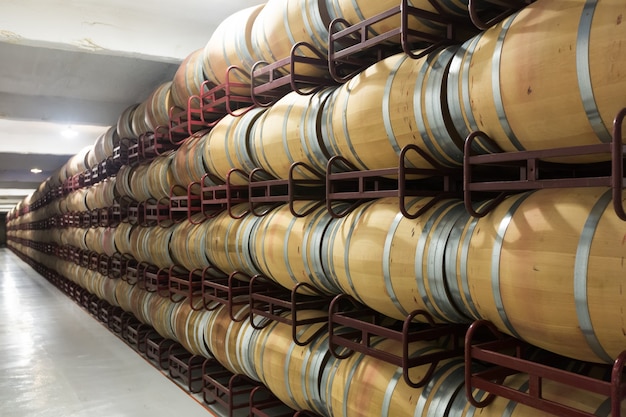
In recent years, the scotch whisky industry has seen a significant shift towards more sustainable and environmentally friendly practices. Distilleries, both large and small, are increasingly recognizing the importance of reducing their environmental impact and preserving the natural resources that are vital to the production of whisky. This movement towards sustainability is driven by a combination of regulatory requirements, consumer demand, and a genuine commitment to environmental stewardship. As a result, many distilleries are adopting innovative approaches to reduce waste, lower energy consumption, and enhance the sustainability of their operations.
Innovative Sustainable Practices
The adoption of sustainable practices in scotch whisky production is varied and innovative. Distilleries are exploring several avenues to minimize their carbon footprint and promote ecological balance. Some of the key practices include:
- Renewable Energy Sources: Many distilleries are turning to renewable energy to power their operations. Wind turbines, solar panels, and biomass energy are increasingly common. These sources not only reduce carbon emissions but also lower energy costs in the long run.
- Water Conservation: Water is a critical component in whisky production. Distilleries are implementing advanced water management systems to ensure efficient use and recycling of water, thereby minimizing wastage.
- Waste Management: Innovative waste management strategies, such as converting distillery by-products into bioenergy or animal feed, are being employed. This not only reduces waste but also offers additional revenue streams.
- Sustainable Sourcing: The use of locally sourced and sustainable raw materials is becoming more prevalent. This includes sourcing barley from environmentally conscious farms and using sustainable peat for drying.
Impact of Sustainable Practices
The implementation of sustainable practices has a profound impact on both the environment and the whisky industry itself. By adopting these measures, distilleries are able to:
- Reduce Environmental Impact: Lowering emissions and conserving resources contribute to a healthier planet.
- Enhance Brand Image: Consumers are increasingly valuing sustainability, and distilleries that embrace green practices often enjoy enhanced reputational benefits.
- Comply with Regulations: Adhering to environmental regulations is essential for legal compliance and avoiding potential fines.
- Promote Long-Term Viability: Sustainable practices help ensure the continued availability of natural resources necessary for whisky production.
Challenges in Achieving Sustainability
Despite the clear benefits, there are several challenges that distilleries face in their quest for sustainability:
- Initial Investment Costs: Transitioning to more sustainable practices often requires significant upfront investment. This can be a barrier, especially for smaller distilleries.
- Technological Limitations: Access to advanced technology that supports sustainable practices might be limited or costly.
- Supply Chain Constraints: Ensuring that suppliers also adhere to sustainable practices can be challenging, particularly when dealing with multiple supply chain partners.
The Future of Sustainable Scotch Whisky
Looking ahead, the future of scotch whisky is likely to be increasingly intertwined with sustainability. Industry leaders are expected to continue investing in research and development to identify new ways to enhance sustainability. Collaboration between distilleries, government bodies, and environmental organizations will be crucial in overcoming existing challenges and setting new standards for sustainable practices.
As the demand for environmentally responsible products grows, the scotch whisky industry is well-positioned to lead by example. By prioritizing sustainability, distilleries not only protect the environment but also ensure the future of one of the world’s most cherished spirits.
