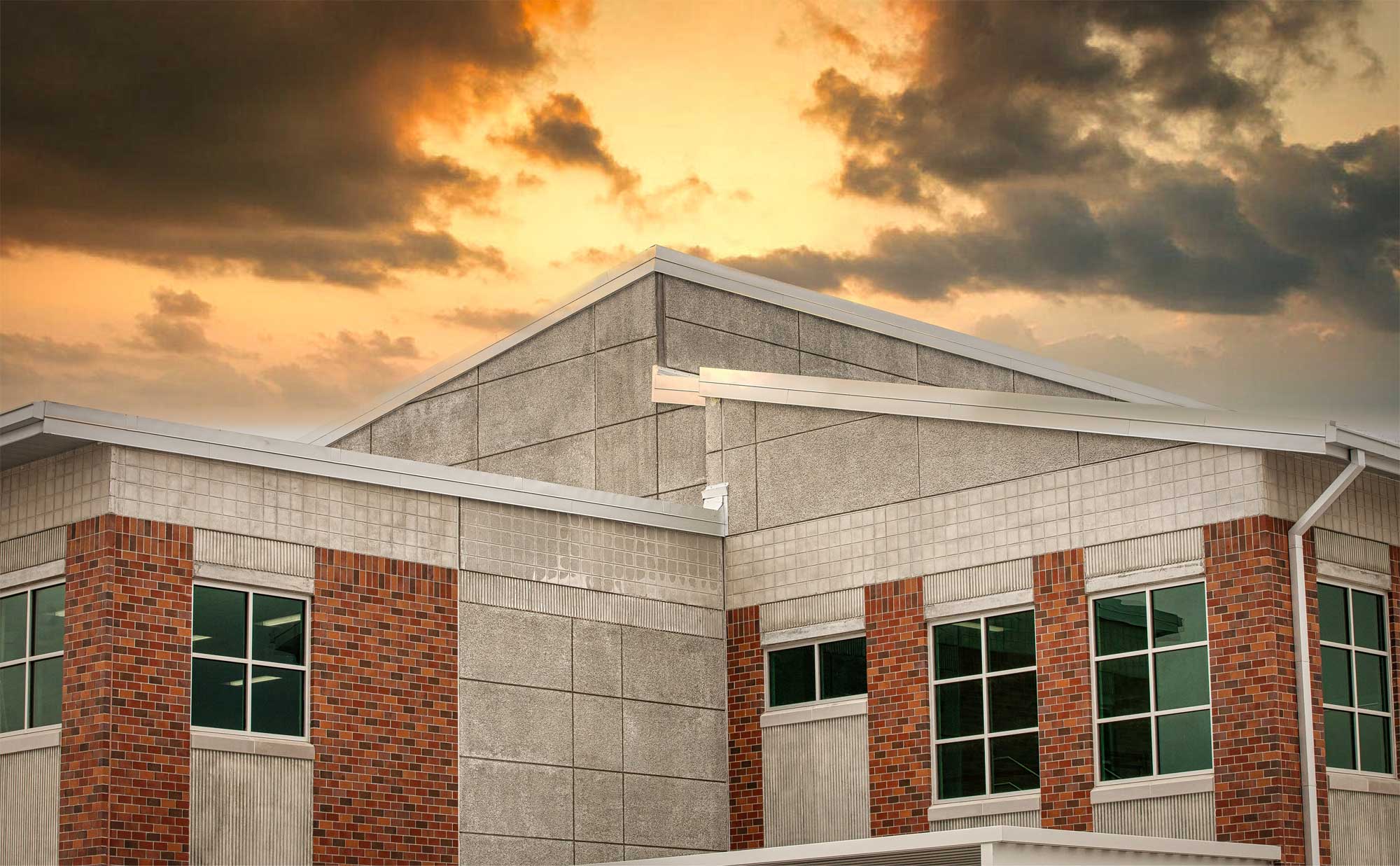
In today’s rapidly evolving construction landscape, the demand for innovative and efficient building materials has never been higher. Among the options available, thin brick emerges as a standout choice, offering a blend of aesthetic appeal and functional benefits. This article explores the advantages of thin brick, its applications, and why it has become a preferred solution for modern construction projects.
Understanding Thin Brick
Thin brick is essentially a slimmed-down version of traditional brick, providing the same visual appeal without the added weight. It is created by slicing the face of a standard brick, yielding a product that is lighter and easier to handle. This material is ideal for both interior and exterior applications, offering numerous advantages over its full-sized counterpart.
Advantages of Thin Brick
- Lightweight: Due to its reduced thickness, thin brick is significantly lighter, making it easier to transport and install.
- Cost-Effective: Its reduced weight can lead to lower shipping and handling costs, and it often requires less structural support.
- Versatile Design: Available in a wide range of colors and textures, thin brick can replicate the look of traditional brickwork while providing flexibility in design.
- Environmentally Friendly: By using less material, thin brick is a more sustainable option that reduces the overall environmental impact of construction.
Applications of Thin Brick
The versatility of thin brick makes it suitable for a variety of applications. It can be used in both residential and commercial settings, enhancing the aesthetic and functional value of buildings. Here are some common uses:
- Exterior Cladding: Provides a durable, weather-resistant finish that enhances curb appeal.
- Interior Walls: Offers a stylish, rustic look for feature walls or entire rooms.
- Facades and Entrances: Creates inviting entrances to buildings, adding a touch of elegance and sophistication.
- Restoration Projects: Ideal for renovating older structures where maintaining the original brick aesthetic is important.
Thin Brick Formliners
To achieve intricate designs and textures, thin brick formliners are used. These formliners allow architects and builders to create custom patterns and designs with thin brick, elevating the visual impact of any project. They are particularly useful in projects where unique architectural details are desired without compromising the integrity of the structure.
Integration in Modern Construction
The integration of thin brick construction into modern building practices is a testament to its versatility and value. Thin brick can be incorporated into various construction methods, including traditional build-ups and modern prefabricated systems. Its adaptability means it can be used in conjunction with other materials, providing endless design possibilities.
As construction techniques continue to advance, materials like thin brick are increasingly valued for their ability to meet the needs of contemporary projects. Builders and architects are embracing thin brick as a solution that not only meets aesthetic and functional requirements but also contributes to sustainable building practices.
For more information about thin brick and its applications, visit the expert resources available at Custom Rock.
