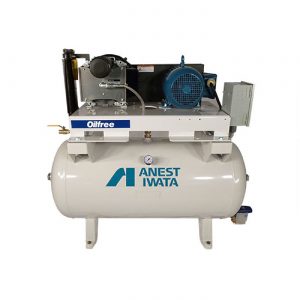
Installing an air compressor is a crucial task that requires careful planning and execution. Proper installation ensures optimal performance, efficiency, and longevity of the equipment. Whether you?re setting up an air compressor for industrial, commercial, or personal use, understanding the steps involved can save time and prevent potential problems. This guide provides a detailed approach to air compressor installation, ensuring a seamless process from start to finish.
Choosing the Right Location
Before beginning the installation, selecting an appropriate location is essential. Consider the following factors:
- Ventilation: Ensure the area has sufficient airflow to prevent overheating.
- Accessibility: The compressor should be easily accessible for maintenance and repairs.
- Proximity: Position the compressor close to the point of use to minimize pressure drops.
- Noise: Consider the noise level; a secluded area might be preferable to reduce disturbance.
For more insights on choosing the right location, refer to the comprehensive air compressor installation guide.
Preparing the Installation Site
Site Inspection
Conduct a thorough inspection of the installation site. Check for:
- Flat, stable surface for the compressor.
- Adequate space for ventilation and maintenance access.
- Compliance with safety and building regulations.
Electrical Setup
Ensure the electrical setup meets the compressor’s requirements:
- Verify that the power supply matches the compressor’s voltage and phase requirements.
- Install necessary circuit breakers and fuses to protect the equipment.
- Engage a certified electrician if necessary to handle electrical connections.
For professional assistance, search for air compressor installation near me.
Installing the Air Compressor
Positioning and Mounting
With the site prepared, proceed with positioning the air compressor:
- Place the compressor on a firm and level surface.
- Use vibration pads to minimize noise and movement.
- Securely bolt the compressor to prevent shifting during operation.
Connecting the Air System
Connect the compressor to the air system:
- Install air filters and moisture traps to ensure clean air output.
- Use appropriate hoses and fittings to connect the compressor to the air distribution system.
- Check all connections for leaks and ensure they are tight and secure.
Testing and Final Checks
Once installation is complete, perform the following tests and checks:
- Run the compressor and monitor for any unusual noises or vibrations.
- Verify that the pressure gauges and controls are functioning correctly.
- Inspect all hoses and connections for leaks.
- Check the oil levels and any other maintenance indicators.
For detailed testing procedures, consult the air compressor installation guide.
Conclusion
Proper air compressor installation is vital to ensure efficient operation and longevity of the equipment. By following these detailed steps, the process becomes manageable and straightforward. Remember to consult professional services when necessary to ensure compliance with safety and operational standards. For further assistance or to find a professional service, consider exploring options for air compressor installation near me.
