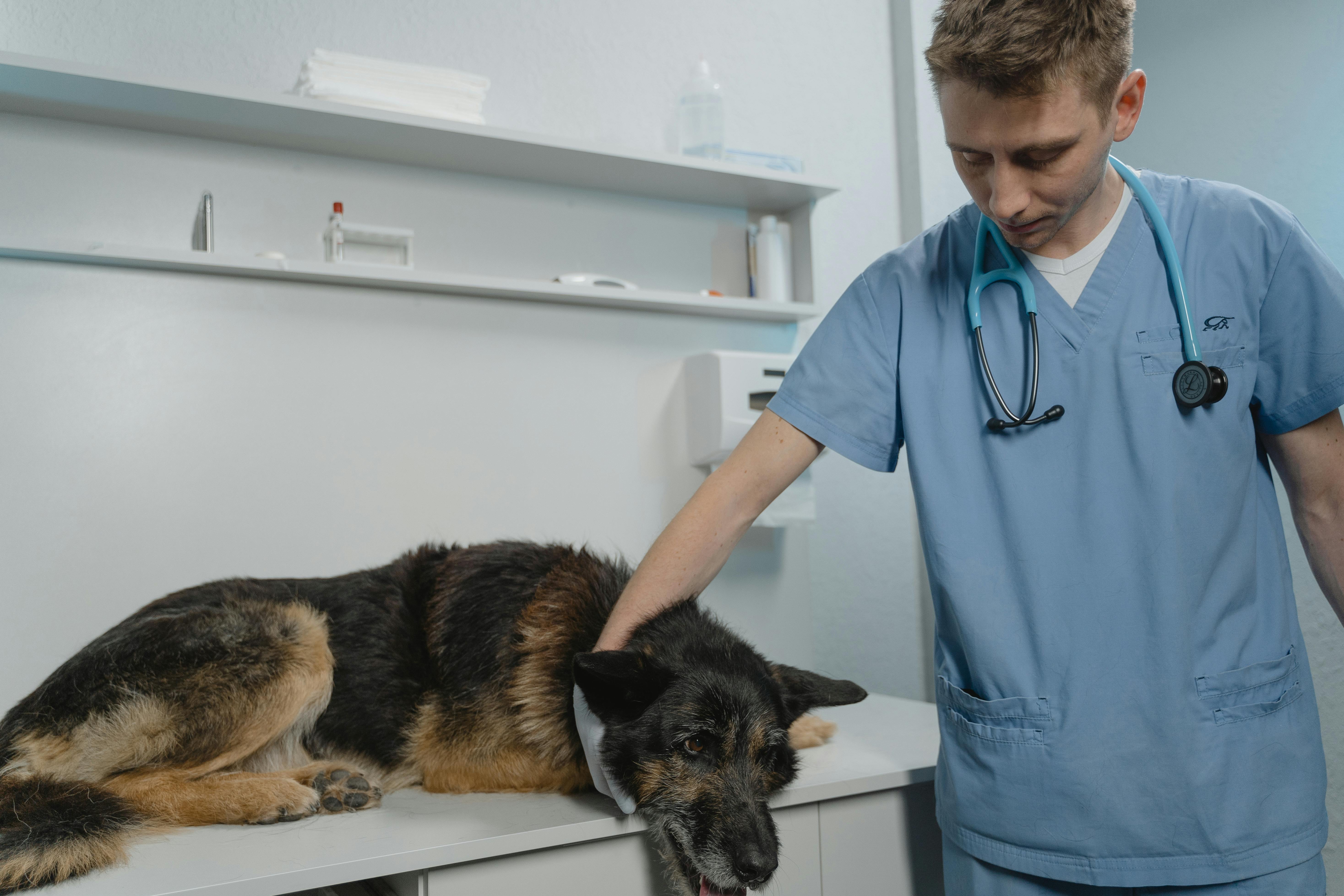
When a pet emergency strikes, it can be a stressful and overwhelming experience for any pet owner. Knowing how to respond effectively during such critical moments can make a significant difference in the outcome for your furry friend. Understanding the steps to take and the resources available can help you stay calm and provide the best care possible until you reach a professional setting like an animal emergency hospital.
Recognizing an Emergency
Recognizing the signs of a pet emergency is the first step in ensuring your pet receives timely care. Some emergencies require immediate attention, while others may need monitoring until professional care is accessible.
Signs of a Pet Emergency
- Difficulty breathing
- Severe bleeding or deep wounds
- Inability to stand or walk
- Seizures or loss of consciousness
- Persistent vomiting or diarrhea
- Signs of severe pain or distress
When these symptoms manifest, it’s crucial to act quickly and seek the assistance of an emergency vet clinic.
Preparing for a Pet Emergency
Preparation is key in managing pet emergencies. Having a plan in place can help ease the pressure during a crisis.
Essential Preparations
- Keep a first-aid kit tailored for pets, including items like bandages, antiseptic wipes, and a digital thermometer.
- Know the location and contact information of the nearest animal emergency hospital.
- Have a transport plan ready for getting your pet to the clinic swiftly.
- Ensure your pet’s medical records are easily accessible, including vaccination history and any current medications.
Being prepared can save precious time and help you focus on getting your pet the care they need.
What to Expect at the Animal Emergency Hospital
Understanding what happens at an animal emergency hospital can help manage expectations and reduce anxiety during a critical situation.
Initial Assessment and Triage
Upon arrival, the veterinary team will conduct an initial assessment to prioritize care based on the severity of the condition. This process is known as triage and ensures that pets with the most critical needs receive immediate attention.
Diagnostic Procedures and Treatment
Once triage is completed, diagnostic tests such as blood work, x-rays, or ultrasounds may be performed to ascertain the cause of the emergency. Following diagnosis, the veterinary team will develop a treatment plan tailored to your pet’s needs.
Communication and Aftercare
Effective communication with the veterinary team is essential. They will provide updates on your pet’s condition and discuss treatment options. Aftercare instructions, including follow-up appointments, medications, and home care, will be provided to ensure a smooth recovery.
Conclusion
Handling a pet emergency with composure and preparation can significantly impact the outcome for your beloved animal. Recognizing the signs of distress, preparing ahead of time, and knowing what to expect during the visit to an animal emergency hospital are crucial steps for providing the best possible care. By being informed and ready, you can navigate your pet’s emergency with confidence and ensure they receive the prompt attention they need.
