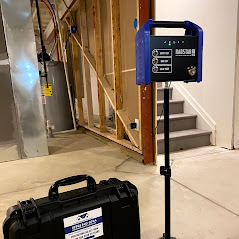
Ensuring the safety and well-being of your household is a top priority for homeowners. One unseen threat that can compromise this safety is radon, a naturally occurring gas that can accumulate in residential properties. Radon is odorless and colorless, making it impossible to detect without specialized equipment. Long-term exposure to elevated radon levels can significantly increase the risk of lung cancer. Understanding residential radon mitigation is crucial for maintaining a healthy living environment. This article delves into the fundamentals of radon mitigation and provides insights on effective strategies to protect your home.
Understanding Radon and Its Risks
Radon is a radioactive gas produced from the natural decay of uranium found in soil and rock. It can seep into homes through cracks in floors, walls, and foundations, and can also be present in well water. The U.S. Environmental Protection Agency (EPA) estimates that approximately 1 in 15 homes in the United States has elevated radon levels.
- Radon is the second leading cause of lung cancer after smoking.
- Testing is the only way to know your home’s radon levels.
- Both old and new homes can be affected by radon.
For more in-depth information on radon and its health implications, find out more about this approach.
The Importance of Radon Testing
Regular radon testing is essential to ensure that your home’s radon levels are within safe limits. Testing can be done using short-term or long-term test kits, which are readily available in hardware stores or online.
- Short-term tests: Typically take 2 to 90 days and provide a quick snapshot of radon levels.
- Long-term tests: Conducted over 90 days to a year, offering a more comprehensive view of radon exposure.
For guidance on testing procedures and interpreting results, explore advanced guides and tips.
Effective Radon Mitigation Strategies
Active Soil Depressurization (ASD)
ASD is the most common and effective radon mitigation method. It involves the following steps:
- Installing a vent pipe system and fan to pull radon from beneath the house and release it outside.
- Sealing cracks and openings in the foundation to prevent radon entry.
This method can significantly reduce radon levels and is applicable to various home designs. Discover expert strategies here to learn more about ASD and its implementation.
Sub-Membrane Depressurization
This technique is suitable for homes with crawl spaces. It involves placing a high-density plastic sheet over the crawl space floor, then using a vent pipe and fan to draw radon from beneath the sheet and vent it outside.
For tailored solutions for homes with unique architectural features, learn about our tailored solutions.
Maintaining Low Radon Levels
After successful mitigation, it’s important to maintain low radon levels through regular testing and maintenance of the mitigation systems. Here are some tips:
- Test your home for radon every two years.
- Inspect the mitigation system regularly to ensure it’s functioning properly.
- Consider professional inspections to address any potential issues.
For continuous safety, explore advanced guides and tips on maintaining your radon mitigation system.
By understanding and implementing effective radon mitigation strategies, homeowners can significantly reduce the risk of radon exposure and ensure a safe living environment. Regular testing and maintenance are key components in the ongoing effort to protect families from this hidden danger.
