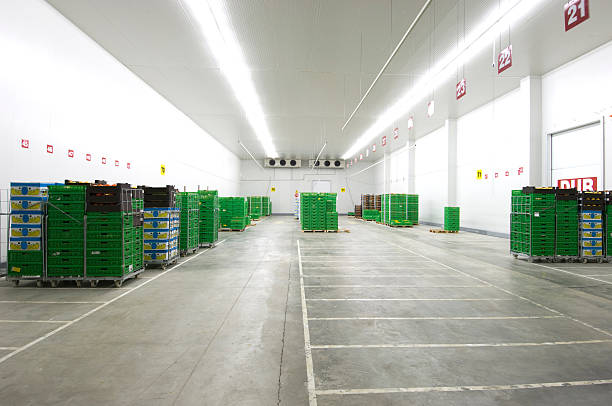
Industrial freezer warehouses play a critical role in the supply chain, ensuring perishable goods remain in optimal condition. As consumer demand for fresh produce, pharmaceuticals, and other temperature-sensitive products increases, the need for efficient cold storage solutions becomes more pressing. Designing warehouses with maximum cold storage efficiency involves several strategic considerations, from layout planning to technological advancements. This article explores the key components of an efficient industrial freezer warehouse, providing insights into current best practices and innovative solutions.
Key Design Considerations for Cold Storage
Designing an industrial freezer warehouse involves a multifaceted approach to ensure both operational efficiency and product integrity. The following considerations are critical:
- Temperature Control: Maintaining consistent temperatures is crucial. This involves using advanced insulation materials and cutting-edge refrigeration technologies.
- Energy Efficiency: Implementing energy-saving practices can reduce costs and environmental impact. Utilizing LED lighting and energy-efficient refrigeration systems are common strategies.
- Space Optimization: Efficient use of space ensures maximum storage capacity. This includes vertical storage solutions and automated retrieval systems.
- Accessibility: Ensuring products are accessible without compromising the cold chain is vital. Proper aisle spacing and strategic placement of inventory can enhance accessibility.
For more detailed insights, learn about our tailored solutions for designing cold storage spaces.
Technological Advancements in Cold Storage
Technology is transforming how industrial freezer warehouses operate. Key advancements include:
Automation and Robotics
Automated systems and robotics play a significant role in enhancing efficiency. These technologies reduce human error and labor costs, while also improving the speed and accuracy of inventory management. Automated guided vehicles (AGVs) and robotic picking systems are increasingly common in modern warehouses.
For a comprehensive guide on integrating automation, explore advanced guides and tips.
IoT and Data Analytics
The Internet of Things (IoT) and data analytics provide real-time monitoring and insights, which are essential for maintaining optimal conditions and improving operational efficiency. Sensors can monitor temperature, humidity, and energy usage, while analytics platforms offer actionable insights for continuous improvement.
Discover expert strategies here on leveraging IoT in cold storage.
Challenges and Solutions in Cold Storage Design
Despite technological advancements, several challenges persist in the design and operation of industrial freezer warehouses. Addressing these challenges requires innovative solutions:
- Rising Energy Costs: As energy prices rise, finding ways to reduce consumption is crucial. Implementing smart energy management systems can help mitigate these costs.
- Regulatory Compliance: Adhering to health and safety regulations is mandatory. Regular audits and compliance checks ensure that warehouses meet industry standards.
- Scalability: As business needs change, warehouses must be adaptable. Modular design approaches allow for easy expansion and reconfiguration.
To find out more about this approach, click here.
Conclusion
Designing an industrial freezer warehouse for maximum cold storage efficiency is a complex task that requires a strategic blend of design, technology, and operational management. By focusing on key design considerations, leveraging technological advancements, and addressing operational challenges, businesses can optimize their cold storage solutions to meet the growing demands of the market. As the industry evolves, staying informed with the latest practices and innovations will be crucial for maintaining competitiveness. For further insights, explore our resources on industrial freezer warehouse design.
