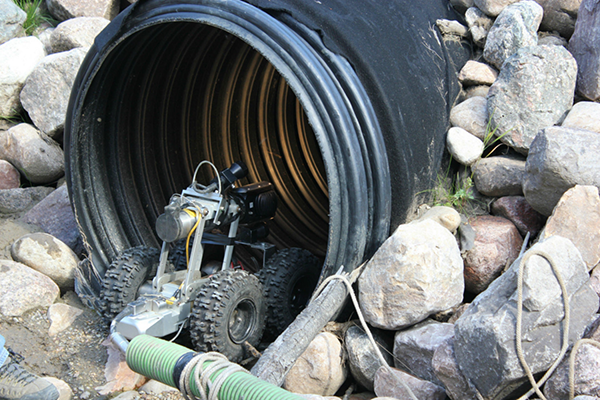
Sewer systems are an integral component of urban infrastructure, responsible for safely transporting wastewater from homes and businesses to treatment facilities. Over time, these systems can become inefficient due to blockages, leaks, or structural damage. To maintain optimal functionality, regular inspections are crucial. One of the most innovative and effective methods for assessing the condition of sewer systems is through CCTV inspections. This technological advancement not only ensures the early detection of potential problems but also significantly enhances the overall efficiency of sewer systems.
Understanding CCTV Inspections
CCTV inspections involve using specialized cameras to visually assess the interior of sewer pipes. These cameras are inserted into the sewer lines, providing real-time video footage that helps identify any issues within the system. This method offers a non-invasive way to examine the pipelines, eliminating the need for costly and disruptive excavation.
Key Benefits of CCTV Inspections
- Accurate Diagnosis: The use of high-resolution cameras allows for precise identification of issues such as cracks, clogs, or root intrusions. This accuracy helps in implementing targeted solutions.
- Cost-Effective: By detecting issues early, CCTV inspections can prevent expensive repairs and extend the life of the sewer system.
- Minimal Disruption: Because the process is non-invasive, it minimizes disruption to the surrounding environment and infrastructure.
- Efficient Maintenance: Regular inspections can facilitate the scheduling of timely maintenance activities, ensuring continuous system efficiency.
How CCTV Inspections Enhance Sewer System Efficiency
The primary goal of any sewer system is to efficiently transport wastewater. However, various factors can impede this efficiency. Here’s how cctv inspections play a critical role in maintaining and enhancing system performance:
Early Detection and Prevention
- By identifying blockages or buildup, CCTV inspections help in clearing obstructions before they lead to significant backups or overflows.
- Structural damages such as cracks or fractures can be detected early, allowing for timely repairs that prevent larger system failures.
Improved Planning and Resource Allocation
- Visual data from inspections enable precise mapping of the sewer network, aiding in better planning for expansions or upgrades.
- The ability to pinpoint problem areas allows for more efficient allocation of maintenance resources, ensuring that repairs are conducted where they are most needed.
Environmental and Public Health Benefits
- By maintaining a well-functioning sewer system, the risk of environmental contamination due to leaks or overflows is minimized.
- Preventing sewer system failures protects public health by ensuring that wastewater is properly contained and treated.
The Future of Sewer System Management
As urban areas continue to grow, the demand for efficient and reliable sewer systems increases. Embracing advanced technologies such as video line inspection is crucial for modern sewer management. These tools not only support the maintenance of existing infrastructure but also guide the development of future systems to accommodate expanding populations.
In conclusion, CCTV inspections are an indispensable tool in modern sewer management. They provide the necessary insights to maintain system efficiency, reduce costs, and protect public health. By integrating these inspections into regular maintenance schedules, municipalities and service providers can ensure that sewer systems remain reliable and effective for years to come.
