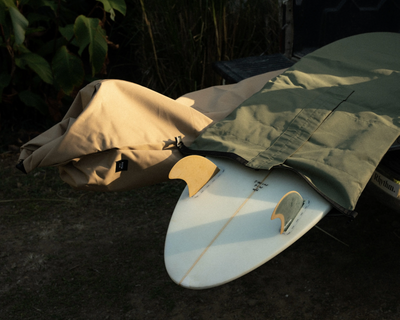
Packing a surfboard bag correctly is crucial for protecting your board during transportation. Whether you’re heading to local beaches or flying overseas to chase the perfect wave, ensuring your board is safe is paramount. A well-packed surfboard bag can prevent dings, scratches, and other damage, ultimately prolonging the life of your board. This article provides essential tips for packing your surfboard bag effectively. Discover expert strategies here.
Choose the Right Surfboard Bag
Selecting the appropriate surfboard bag is the first step in ensuring effective protection. Consider the following factors:
- Size: Ensure the bag fits your board snugly, with enough space for padding but not too loose.
- Material: Opt for durable materials such as heavy-duty nylon or polyester with protective padding.
- Type: Choose between day bags for short trips and travel bags for longer journeys.
For more detailed guidance on selecting the right bag, learn about our tailored solutions.
Preparation Before Packing
Before placing your surfboard into the bag, some preparatory steps can enhance its protection:
- Clean Your Board: Remove any sand, salt, or debris from your board to prevent scratches.
- Remove or Secure Fins: Take off detachable fins or ensure fixed fins are well-protected.
- Consider Additional Padding: Bubble wrap, foam, or towels can add extra layers of cushioning.
Packing Techniques
Layering and Positioning
The way you layer and position your board in the bag can make a significant difference:
- Bottom Layer: Start with a layer of soft padding such as towels or foam sheets.
- Middle Layer: Place your board fin-side up, and ensure fins are adequately padded.
- Top Layer: Add another layer of padding over the board for extra protection.
Each section of the board should be cushioned to absorb impacts, particularly around the nose and tail. Find out more about this approach.
Securing Your Board
Once the board is positioned, secure it within the bag:
- Straps: Utilize internal straps if available to hold the board in place.
- Zippers: Ensure all zippers are fully closed and check for any gaps.
- Weight Distribution: Distribute additional items evenly to avoid strain on the bag.
Additional Considerations
Beyond the basic packing techniques, consider these additional tips:
- Weather Considerations: For humid or wet environments, consider moisture-absorbing packets to prevent mold.
- Airline Regulations: Check the specific airline’s regulations regarding surfboard transport to avoid surprises.
- Travel Insurance: Consider insurance for high-value boards to cover potential damages.
For further insights into protecting your surfboard during travel, explore advanced guides and tips.
Proper packing of your surfboard bag can significantly impact the safety and longevity of your board. By following these expert tips, you can travel with peace of mind, knowing your board is well-protected. Whether you are a seasoned surfer or a beginner, these strategies ensure your surfing adventures remain smooth and enjoyable.
