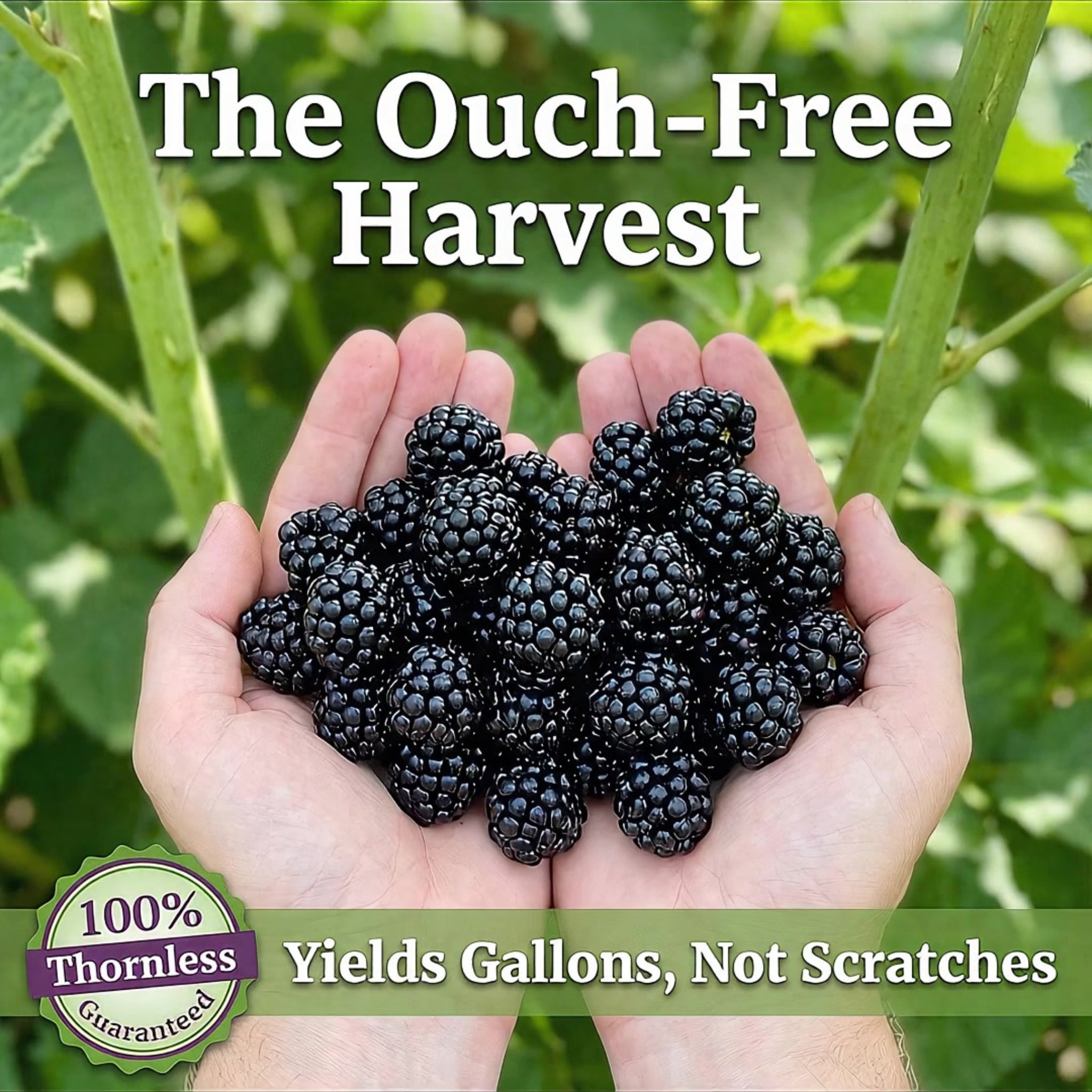
Cultivating a thriving blackberry trellis can be both rewarding and challenging. Proper maintenance is crucial to ensure that blackberry plants produce a bountiful harvest and maintain their health throughout the growing season. This article provides essential tips for maintaining a healthy blackberry trellis, focusing on strategies that enhance growth and fruit production. With the right techniques, gardeners can enjoy a fruitful and sustainable blackberry patch.
Choosing the Right Trellis System
Selecting an appropriate trellis system is the first step in maintaining healthy blackberry plants. The trellis should support the plant’s growth and ensure sufficient exposure to sunlight. Considerations include:
- Height and strength: Opt for a trellis that can support mature plant weight and encourage vertical growth.
- Material: Durable materials like galvanized steel or treated wood are ideal for long-term use.
- Design: Systems like the T-trellis or V-trellis allow for optimal sunlight exposure and ease of harvest.
For those seeking expertly designed trellis kits, find out more about this approach.
Proper Pruning Techniques
Pruning is vital for maintaining plant health and encouraging fruit production. Proper techniques involve:
- Timing: Prune in late winter or early spring before new growth begins.
- Method: Remove dead or diseased canes first, followed by thinning out weaker canes to allow space for healthier growth.
- Training: Train the remaining canes along the trellis, ensuring they are evenly spaced and secure.
Additional Tip: During the growing season, regularly check for new shoots and train them onto the trellis to maintain order and balance.
Watering and Fertilization
Adequate watering and fertilization are essential for the successful growth of blackberry plants. Key considerations include:
Watering
- Consistency: Ensure a regular watering schedule, especially during dry spells, to keep the soil consistently moist but not waterlogged.
- Method: Use drip irrigation or soaker hoses to deliver water directly to the roots, minimizing evaporation.
Fertilization
- Type: Use a balanced, slow-release fertilizer in early spring to support growth.
- Frequency: Reapply fertilizer according to the product’s instructions, typically every six to eight weeks during the growing season.
For more detailed advice on watering and feeding systems, discover expert strategies here.
Pest and Disease Management
Effective pest and disease management is crucial for maintaining a healthy blackberry trellis. Implement the following strategies:
- Monitoring: Regularly inspect plants for signs of pests or diseases, including discolored leaves or damaged fruit.
- Prevention: Use mulch to suppress weeds and improve soil moisture, reducing the risk of diseases.
- Treatment: Apply organic pesticides or fungicides when necessary, following the manufacturer’s guidelines.
To explore advanced guides and tips on pest management, explore advanced guides and tips.
Conclusion
Maintaining a healthy blackberry trellis requires thoughtful planning and consistent care. By selecting the right trellis system, employing proper pruning techniques, ensuring adequate watering and fertilization, and effectively managing pests and diseases, gardeners can ensure a robust and productive blackberry patch. For those looking to enhance their blackberry cultivation practices, learn about tailored solutions available to support successful berry cultivation.
