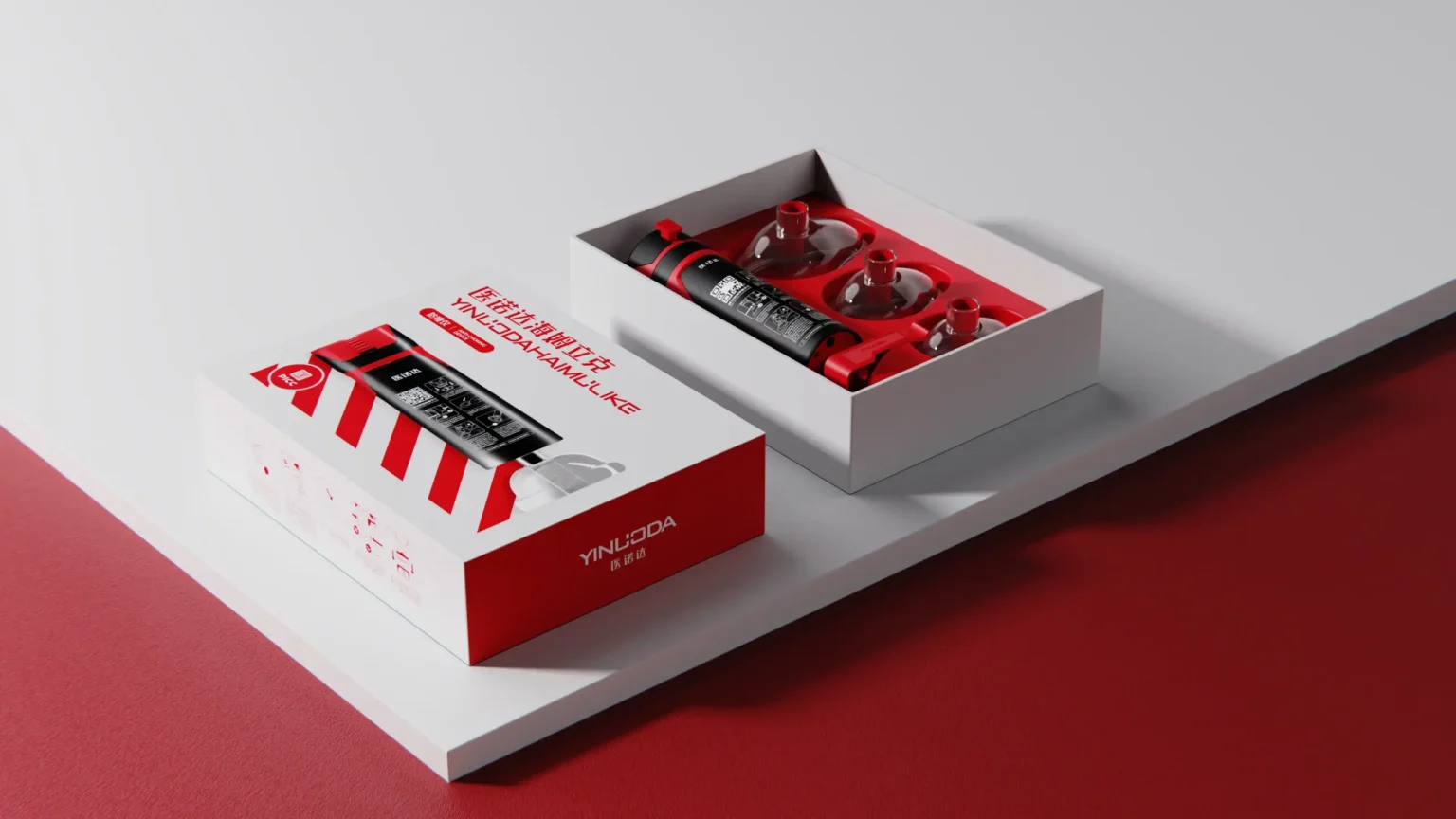
In the competitive landscape of consumer electronics, packaging design plays a pivotal role in shaping perceptions and enhancing brand value. Effective electronic packaging design not only protects the product but also communicates the brand’s identity, values, and commitment to quality. As consumers become more discerning, the need for innovative and thoughtful packaging solutions has never been greater.
The Importance of Packaging in Branding
Packaging serves as the first point of contact between the consumer and the product, often setting the tone for the entire user experience. In electronic products, packaging must achieve several objectives:
- Protective Functionality: Ensuring the product remains intact and functional from manufacturing to consumer delivery.
- Brand Communication: Conveying brand values and identity through design elements like color, typography, and imagery.
- Consumer Engagement: Encouraging interaction and creating a memorable unboxing experience that fosters brand loyalty.
Design Elements That Influence Brand Perception
Several key design elements can significantly influence how a brand is perceived through its packaging:
- Color Schemes: Colors evoke emotions and associations, playing a crucial role in brand recognition and consumer perception.
- Typography: The choice of font style, size, and layout can communicate professionalism, innovation, or playfulness.
- Imagery and Graphics: High-quality images and graphics can enhance the perceived value of the product.
Innovative Approaches in Electronic Packaging
Modern industrial packaging design for electronics is increasingly incorporating innovative features that align with contemporary consumer expectations:
- Sustainability: Eco-friendly materials and minimalistic designs reflect a commitment to environmental responsibility.
- Smart Packaging: Incorporating technology such as QR codes and NFC tags for enhanced user interaction and product information.
- Customization: Personalized packaging options that cater to individual consumer preferences and enhance the unboxing experience.
The Role of Packaging in Product Differentiation
In a crowded marketplace, distinct packaging can set a product apart. Effective product packaging design leverages unique design elements to create a competitive edge:
- Unique Shapes and Structures: Non-traditional packaging shapes can draw attention and make the product more memorable.
- Interactive Elements: Features like pull tabs, pop-up elements, or hidden compartments add an element of surprise.
- Luxury Materials: Using high-end materials can elevate the perceived value and status of the product.
Case Studies of Successful Electronic Packaging Designs
Several brands have successfully leveraged packaging design to enhance their brand value:
- Example 1: A leading tech company introduced a sleek, minimalist design for its new smartphone series, using recyclable materials and innovative cushioning for protection.
- Example 2: A popular audio brand utilized vibrant colors and interactive packaging features to engage younger audiences and increase brand loyalty.
Conclusion: The Future of Electronic Packaging
As technology continues to evolve, the future of beauty product packaging and electronic packaging will likely embrace even more personalization, interactivity, and sustainability. Brands that invest in creative, thoughtful packaging designs will not only enhance their brand value but also foster deeper connections with their consumers. The art of packaging design is not just about aesthetics; it’s a strategic tool that, when executed well, can drive brand success in an increasingly competitive market.
