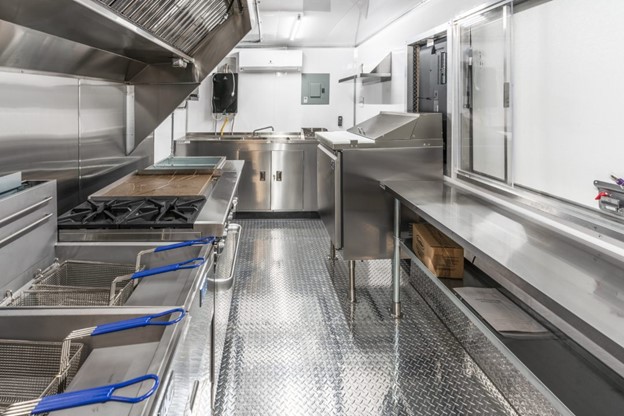
The growing trend of culinary innovation on wheels has propelled food trucks into the gastronomic spotlight, offering a diverse range of cuisines to eager patrons. However, the operational success of a food truck isn’t just about having a stellar menu; it’s also about ensuring efficient and reliable access to hot water. A well-functioning water heater is crucial for maintaining hygiene standards, preparing food, and ensuring a smooth workflow. With various options available, selecting the right water heater requires careful consideration of the truck’s specific needs, space constraints, and energy efficiency.
Understanding the Importance of Hot Water in Food Trucks
Hot water is essential for food trucks to comply with health regulations that require sanitation of utensils, surfaces, and hands. It also plays a vital role in food preparation and cleaning processes. Therefore, choosing an efficient food truck water heater is not just a matter of convenience but a necessity.
Types of Water Heaters Suitable for Food Trucks
Tankless Water Heaters
Tankless water heaters are a popular choice for food trucks due to their compact size and energy efficiency. These units heat water on demand, thus eliminating the need for a storage tank. Key benefits include:
- Space-saving design, which is ideal for the limited space in food trucks.
- Reduced energy consumption as water is heated only when needed.
- Potential for continuous hot water supply, which is beneficial during peak service hours.
Propane Water Heaters
Propane water heaters are favored for their ability to provide hot water without relying on electrical hookups, making them suitable for mobile setups. Advantages include:
- High energy efficiency, which can result in lower operational costs over time.
- Relatively quick heating capabilities, ensuring hot water is readily available.
- Flexibility in installation, accommodating various space configurations in food trucks.
Electric Water Heaters
Electric water heaters, while less common in food trucks, can be a viable option if the truck is equipped with a reliable power supply. These heaters offer:
- Simple installation and maintenance.
- Variety in size and capacity to fit different needs.
- No need for venting, making them easier to install in enclosed spaces.
Considerations When Choosing a Water Heater
Selecting the right water heater involves evaluating several factors:
- Space Constraints: Food trucks typically have limited space, requiring compact and efficient solutions.
- Energy Source: Determine whether the truck is better suited for propane, electric, or hybrid models based on its setup.
- Water Demand: Assess the peak water usage to ensure the heater can meet demands without compromising performance.
- Regulatory Compliance: Ensure the chosen heater complies with local health and safety regulations.
Installation and Maintenance Tips
Proper installation and maintenance are crucial for the longevity and efficiency of the water heater:
- Follow manufacturer guidelines for installation to avoid operational issues.
- Regularly inspect and clean the water heater to prevent limescale buildup and ensure efficient performance.
- Schedule routine maintenance checks to identify and resolve potential problems early.
Conclusion
In the dynamic environment of food trucks, having a reliable source of hot water is indispensable. By carefully considering the different types of water heaters and assessing specific operational needs, food truck operators can select the most efficient solution to ensure smooth operations and compliance with health standards. For more insights on setting up a food truck water heater, explore comprehensive resources to guide the decision-making process.
