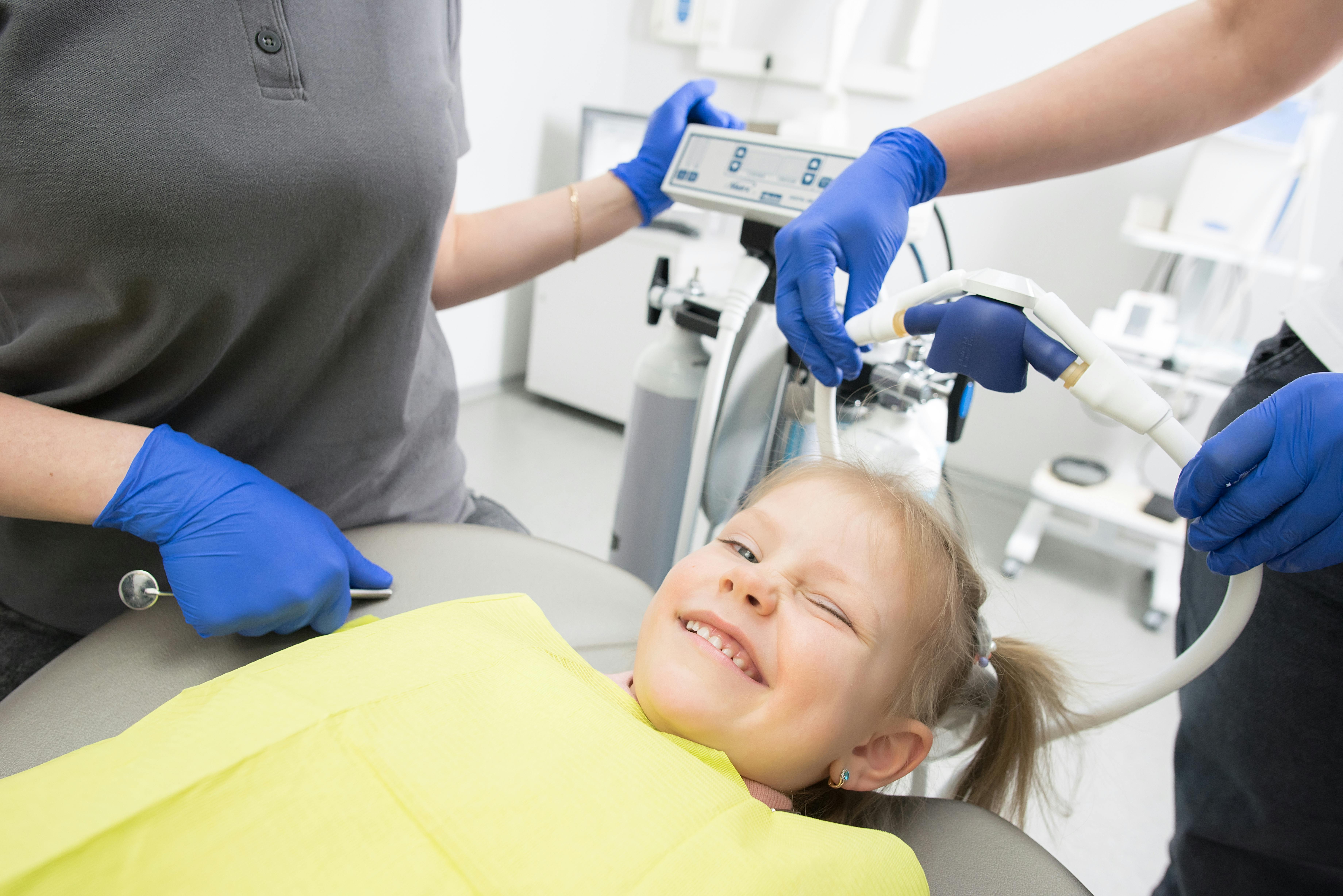
Early pediatric orthodontics is a proactive approach that involves evaluating and managing the dental and facial development of children. As dental professionals emphasize the significance of early intervention, this practice has gained importance in addressing potential orthodontic issues before they become more complex. By identifying problems early on, children can benefit from treatments that may simplify future orthodontic procedures. The advantages of early intervention are not only confined to aesthetic improvements but also contribute to the overall oral health and well-being of children.
The Importance of Early Evaluation
One of the primary steps in pediatric orthodontics is early evaluation. This process involves assessing a child’s dental development to spot any potential issues that may require attention. The American Association of Orthodontists recommends that children have an orthodontic assessment by the age of seven. Here are some reasons why early evaluation is crucial:
- Identifies developmental problems such as crowding, gaps, and bite issues.
- Allows for timely intervention, potentially reducing the need for more invasive procedures later.
- Helps to guide jaw growth and development in a harmonious way.
- Can improve speech development by correcting alignment issues early.
For more detailed insights into the early evaluation process, explore further insights here.
Benefits of Early Orthodontic Treatment
Engaging in orthodontic treatment during the early years can significantly influence a child’s oral health trajectory. The benefits extend beyond mere aesthetics and encompass a range of health-related advantages:
Improved Oral Health
Early orthodontic treatment can help in maintaining and improving oral health. Proper alignment of teeth makes it easier to maintain oral hygiene, reducing the risk of cavities and gum disease. Find additional information here.
Enhanced Confidence and Self-Esteem
Having a well-aligned smile can boost a child’s confidence and self-esteem. It can positively affect their social interactions and overall psychological well-being. By addressing alignment issues early, children can enjoy the benefits of a healthy and aesthetically pleasing smile.
Prevention of More Severe Problems
Early intervention can prevent more severe problems from developing. By guiding the growth of the jaw and teeth, early treatment can avert the need for more extensive treatments in the future. It can also help in preventing issues such as impacted teeth or the necessity for tooth extractions.
Common Orthodontic Issues in Children
Understanding the common orthodontic issues that can arise during childhood can help in recognizing the need for professional evaluation. Some of these issues include:
- Overcrowding of teeth
- Crossbites, open bites, or deep bites
- Excessive spacing between teeth
- Protruding front teeth
- Early or late loss of baby teeth
For a comprehensive guide on these issues, learn more in this detailed guide.
Conclusion
Early pediatric orthodontics plays a crucial role in ensuring the proper development of a child’s oral health. By evaluating and addressing potential issues at an early age, children can benefit from improved oral health, increased self-esteem, and the prevention of more severe orthodontic problems in the future. Parents and guardians are encouraged to consider early orthodontic evaluations to ensure their children’s dental health is on the right track. To delve deeper into the benefits and processes involved in early orthodontic care, read more about this topic.
